
شركة رائدة في تصنيع آلات CNC تقدم أسعارًا مباشرة من المصنع وجودة معتمدة بشهادة ISO، مدعومة بتواجد عالمي في أكثر من 60 دولة والتزام مدى الحياة بالدعم الفني غير المحدود.




شركة رائدة في تصنيع آلات CNC تقدم أسعارًا مباشرة من المصنع وجودة معتمدة بشهادة ISO، مدعومة بتواجد عالمي في أكثر من 60 دولة والتزام مدى الحياة بالدعم الفني غير المحدود.
آلات الطحن تُعدّ آلات التجليخ أدوات أساسية في تشكيل المعادن. فبينما تستخدم المخارط وآلات التفريز أدوات القطع لإزالة المواد، تستخدم آلات التجليخ عجلات كاشطة. هذا الاختلاف يجعل التجليخ الخيار الأمثل لبعض المهام التي لا تستطيع الآلات الأخرى إنجازها بكفاءة. يشرح هذا الدليل الاستخدامات الأساسية لآلات التجليخ بأسلوب مبسط.
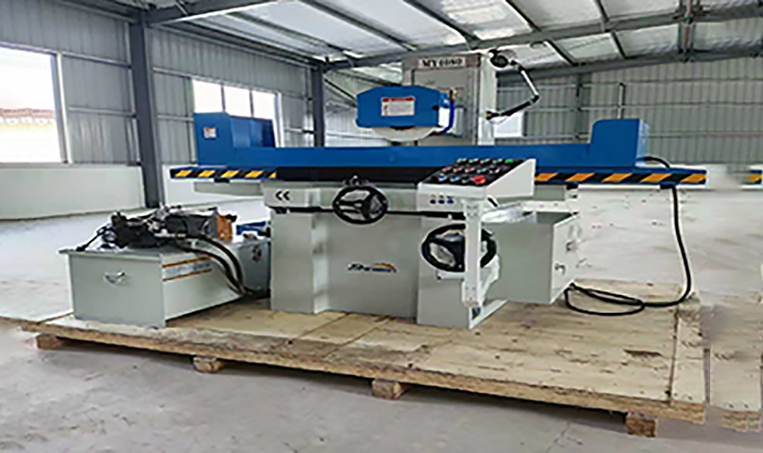
ما يفعله الطحن
تُزيل عملية التجليخ المواد بدقة متناهية. تُغطى عجلة التجليخ بجزيئات صلبة دقيقة تُسمى حبيبات الكشط. تقطع هذه الحبيبات رقائق معدنية صغيرة. ولأن كل رقاقة صغيرة جدًا، يكون السطح النهائي ناعمًا للغاية. وتكون الأبعاد دقيقة جدًا. يُمكن للتجليخ تحقيق دقة لا تستطيع المخارط والمطاحن الوصول إليها.
طحن السطح
تُنتج عملية التجليخ السطحي أسطحًا مستوية وناعمة. تُثبّت قطعة العمل على ظرف مغناطيسي أو تُربط بالطاولة. تدور عجلة التجليخ بسرعة عالية وتتحرك ذهابًا وإيابًا على سطح قطعة العمل. تُحرّك الطاولة قطعة العمل أسفل العجلة.
والنتيجة هي سطح مستوٍ ذو تشطيب دقيق. تُستخدم عملية تجليخ الأسطح لتسوية أسطح الأدوات والقوالب ومجاري الآلات. كما تُستخدم أيضًا لتسوية الكتل وتشكيل أسطح دقيقة للتجميع.
الطحن الأسطواني
تُنتج عملية التجليخ الأسطواني قطعًا دائرية ناعمة ومستديرة. تدور قطعة العمل بين مركزين أو في ظرف تثبيت. تدور عجلة التجليخ وتتحرك على طول قطعة العمل، مما ينتج عنه سطح دائري ذو تشطيب دقيق وقطر محدد.
يُستخدم هذا الأسلوب في تصنيع الأعمدة، والدبابيس، والبكرات، وأي جزء دائري يتطلب دقة في المقاسات وسطحًا أملسًا. غالبًا ما تُصقل بكرات الصمامات الهيدروليكية، وأعمدة مرفق المحركات، ومغازل آلات التشغيل باستخدام عملية الطحن الأسطواني.
الطحن بدون مركز
تُعدّ عملية التجليخ اللامركزي طريقة أسرع لتجليخ الأجزاء الدائرية. لا يتم تثبيت قطعة العمل بين مركزين، بل تستقر على نصل مسند العمل وتُغذّى بين عجلتين. إحداهما عجلة التجليخ، والأخرى عجلة تنظيم تتحكم في دوران قطعة العمل وتغذيتها.
تتميز عملية الطحن اللامركزي بسرعتها الفائقة، وتُستخدم في الإنتاج بكميات كبيرة للدبابيس والبكرات والأعمدة الصغيرة. وتُصنع أجزاء مثل بكرات المحامل ودبابيس المكابس وقطع الحفر الخام باستخدام هذه التقنية.
الطحن الداخلي
تُستخدم عملية التجليخ الداخلي لتنظيف الأسطح الداخلية للثقوب. حيث تدخل عجلة تجليخ صغيرة مثبتة على محور طويل إلى داخل الثقب. وتدور قطعة العمل بينما تدور عجلة التجليخ وتتحرك للداخل والخارج.
تُستخدم هذه العملية لتشطيب القطر الداخلي للبطانات، وحلقات المحامل، وأنابيب الأسطوانات. يُنتج الطحن الداخلي ثقوبًا مستديرة وناعمة بأحجام دقيقة.
شحذ الأدوات والقواطع
تُستخدم عملية شحذ الأدوات والقواطع لشحذ أدوات القطع. تحتاج المثاقب، وقواطع الطحن، والموسعات، والصنابير إلى حواف حادة للقطع بشكل صحيح. تحتوي آلات الشحذ المصممة للأدوات على ملحقات خاصة لتثبيت الأدوات بالزوايا الصحيحة.
المثقاب الحاد يقطع بشكل مستقيم وسريع، بينما المثقاب غير الحاد ينحرف ويترك ثقوبًا خشنة. يُحافظ شحذ الأدوات على كفاءة أدوات القطع، ولذلك تستخدم العديد من ورش العمل آلة شحذ أدوات منفصلة لهذا الغرض.
التجليخ الأسطواني بين المراكز
أدق طريقة لطحن الأجزاء الدائرية هي باستخدام مراكز الطحن. مراكز الطحن عبارة عن ثقوب مخروطية الشكل تُحفر في نهايتي قطعة العمل، وتدعمها أثناء دورانها. ولأن هذه المراكز لا تنحرف عن موضعها بسبب التآكل، فإن قطعة العمل تدور بدقة متناهية.
تُستخدم هذه الطريقة في صناعة الأعمدة الدقيقة التي تتطلب دقة عالية. يتم طحن مغازل آلات التشغيل والبراغي اللولبية الدقيقة بين مراكزها.
طحن التغذية والتغذية اللاحقة
توجد طريقتان رئيسيتان لتغذية قطعة العمل في آلة التجليخ اللامركزي. في طريقة التغذية المباشرة، تُدفع قطعة العمل مباشرةً عبر عجلات التجليخ. أما في طريقة التغذية غير المباشرة، فتُمال عجلة الضبط قليلاً، مما يسحب قطعة العمل أمام عجلة التجليخ. تُستخدم هذه الطريقة للقطع الطويلة التي تتطلب قطرًا متساويًا على طولها.
تقوم عملية التجليخ بالتغذية بدفع قطعة العمل إلى داخل عجلة التجليخ وتثبيتها هناك. ثم تقوم عجلة التجليخ بالتقطيع حتى تصل القطعة إلى الحجم المطلوب. هذه العملية مخصصة للقطع ذات الحواف أو الأقطار المتعددة.
طحن الأشكال
يمكن تشكيل عجلة التجليخ إلى شكل محدد. تُجهز العجلة بأداة ماسية تقطع الشكل المطلوب على سطحها، ثم تقوم العجلة بتجليخ هذا الشكل على قطعة العمل.
تُستخدم عملية التجليخ الشكلي لتجليخ الأشكال المعقدة في تمريرة واحدة. وغالبًا ما يتم تجليخ جذور شفرات التوربينات، والأخاديد في حلقات المحامل، والمنحنيات في قوالب دلفنة الخيوط.
طحن العلف الزاحف
تُجري عملية التجليخ بالزحف قطعًا عميقًا بمعدل تغذية بطيء. فبدلاً من عدة تمريرات خفيفة، تقوم عجلة التجليخ بتمريرة أو اثنتين عميقتين. وهذا يُزيل المادة بسرعة مع الحفاظ على جودة التشطيب والدقة.
تُستخدم عملية الطحن بالتغذية الزاحفة لطحن الفتحات والأخاديد والملامح في المواد الصلبة. كما تُستخدم أيضًا لطحن الأشكال في شفرات التوربينات والضواغط.
متى تختار الطحن؟
لا يُعدّ التجليخ أسرع طريقة لإزالة كميات كبيرة من المواد. تُعتبر عمليات الخراطة والتفريز أفضل للتخشين. أما للتشطيب، فيُعدّ التجليخ الخيار الأمثل في أغلب الأحيان.
اختر عملية التجليخ عندما تحتاج إلى دقة عالية جدًا. تصل دقة التجليخ إلى ±0.001 مم. أما المخارط والمطاحن فتصل دقتها إلى ±0.005 مم كحد أقصى.
اختر عملية التجليخ عندما تحتاج إلى سطح أملس للغاية. تتميز الأسطح المجلوخة بلمسة نهائية دقيقة تبدو مصقولة تقريبًا. أما الأسطح المطحونة فتظهر عليها آثار أدوات القطع بوضوح.
اختر عملية التجليخ عندما تكون المادة شديدة الصلابة. فالفولاذ المقوى والكربيد والسيراميك يصعب قطعها بالأدوات العادية، بينما يسهل التجليخ قطعها.
لماذا تُعدّ أسطح الأرض مهمة؟
تُحسّن الأسطح الملساء والدقيقة أداء الأجزاء. يتناسب العمود المصقول تمامًا مع محمله. تُحكم بكرة الصمام المصقولة إغلاقها في تجويفها. يسهل سطح القالب المصقول إخراج القطعة المصبوبة.
يعتمد أداء القطعة على التشطيب النهائي. فالأسطح الخشنة تتآكل بشكل أسرع، وتولد احتكاكًا أكبر، ويصعب تنظيفها. ويحل التجليخ هذه المشاكل.
الخلاصة
تُستخدم آلات التجليخ في العديد من التطبيقات الأساسية في تشكيل المعادن. يُستخدم تجليخ الأسطح لجعل الأسطح المستوية ناعمة ومستوية. ويُستخدم التجليخ الأسطواني لجعل الأجزاء الدائرية دائرية ودقيقة. ويُستخدم التجليخ اللامركزي لجعل الأجزاء الدائرية الصغيرة سريعة. ويُستخدم التجليخ الداخلي لتشطيب الثقوب بدقة متناهية. ويُستخدم تجليخ الأدوات للحفاظ على حدة أدوات القطع.
لكل نوع من أنواع التجليخ غرضه الخاص. وتغطي هذه الأنواع مجتمعةً احتياجات التشطيب في معظم ورش الآلات. أما بالنسبة للأعمال الدقيقة، فالتجليخ غالباً ما يكون الخيار الوحيد.
قد لا تكون آلة التجليخ أول آلة تشتريها، لكنها ضرورية لأي ورشة تصنيع قطع دقيقة. فهي تُكمل العمل الذي تبدأه الآلات الأخرى وتُنهيه بالحجم والتشطيب النهائيين. هذا هو الاستخدام الأساسي للتجليخ في تشكيل المعادن.
ترك رسالة
امسح ضوئيًا إلى WeChat/WhatsApp :